
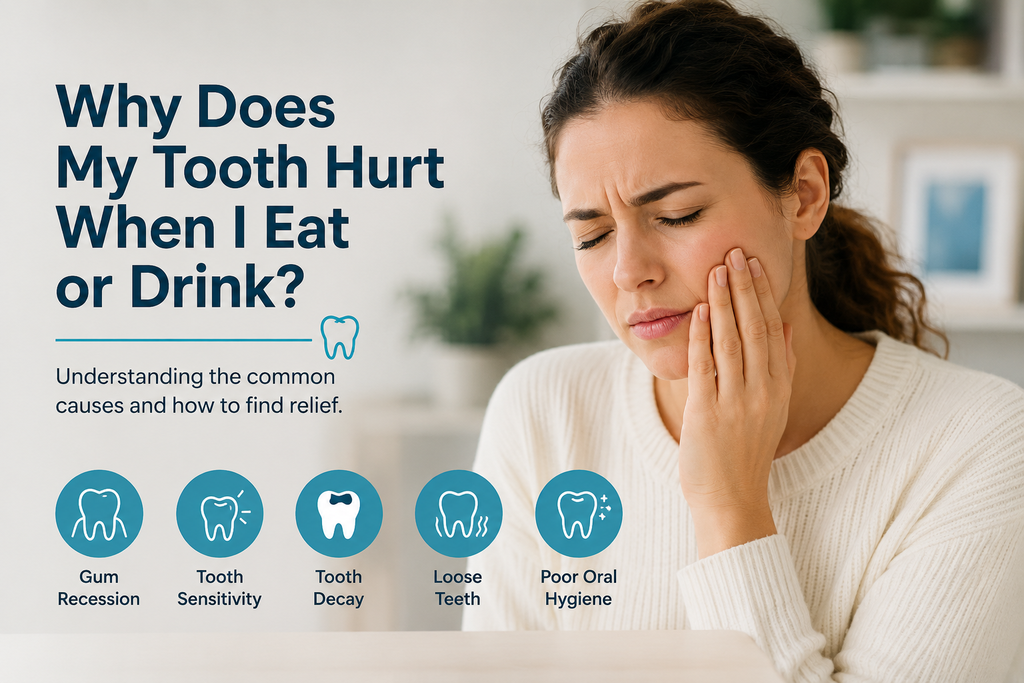
Have you ever wondered, “Why does my tooth hurt when I eat or drink?” If your tooth becomes painful or sensitive when you eat something or drink something hot or cold, it may be a sign of an underlying dental problem.
Tooth sensitivity and tooth pain can have several causes, including gum recession, gum disease, enamel erosion, and tooth decay. Understanding the possible causes can help you recognize when it is time to see a dentist.
In this article, we will discuss some of the most common reasons why your teeth may hurt when eating or drinking.
What Causes Tooth Pain When Eating or Drinking?
There are several possible causes of tooth pain or sensitivity. Some are related to the gums, while others affect the enamel, dentin, or dental pulp.
Here are three common causes of tooth sensitivity and pain:
- Gum recession and gum disease
- Enamel erosion caused by acidic foods and drinks
- Tooth decay and cavities
Let’s take a closer look at each one.
1. Gum Recession and Tooth Sensitivity
One possible reason your tooth hurts when you eat or drink is gum recession.
What Causes Gum Recession?
Gum recession occurs when the gum tissue surrounding a tooth pulls back or wears away, exposing part of the tooth root.
This can happen for several reasons. For example, you may be brushing your teeth too aggressively, using too much pressure when flossing, or using a toothbrush with very hard bristles. These habits can irritate and damage the gum tissue over time.
Gum recession can also be associated with gum disease, particularly when periodontal disease progresses and damages the tissues supporting the teeth.
How Can Gum Disease Cause Tooth Sensitivity?
Gingivitis is inflammation of the gums commonly associated with the buildup of bacterial plaque caused by inadequate oral hygiene.
When the gums become inflamed, they may become:
- Red
- Swollen
- Tender
- More likely to bleed during brushing or flossing
If gum disease is not treated, it can progress to periodontitis, a more serious infection that can damage the tissues and bone supporting the teeth.
As periodontal disease progresses, periodontal pockets can develop around the teeth. Bacteria can move deeper into these pockets and affect the structures supporting the teeth.
Why Does an Exposed Tooth Root Hurt?
The exposed root of a tooth is much more sensitive than the enamel-covered portion of the tooth.
Unlike enamel, the root surface is not protected by the same thick layer of enamel. When the root becomes exposed, hot, cold, sweet, or acidic foods and drinks can trigger sensitivity.
This is one reason why you may suddenly experience pain when drinking ice-cold water, hot coffee, or other beverages.
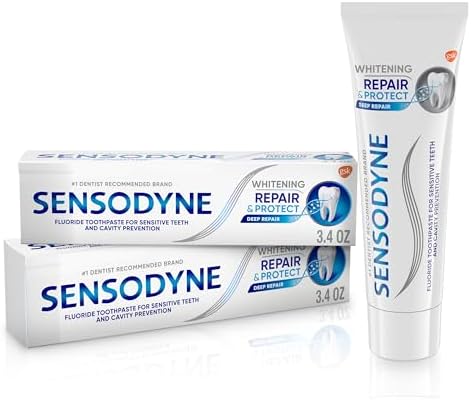
- Two 3.4-ounce tubes of Sensodyne Repair and Protect Teeth Whitening Toothpaste
- Toothpaste for sensitive teeth from the number one dentist recommended brand for sensitive teeth
- Sensodyne fluoride toothpaste builds a repairing layer inside the tiny tubules of the sensitive areas of your teeth (2, …
Can Periodontal Disease Cause Loose Teeth?
Advanced periodontal disease can damage the bone and ligaments that support the teeth.
As this supporting tissue is lost, teeth may become loose or start to move. Changes in the position of the teeth can also affect the way they come together when you bite.
In more advanced cases, tooth movement and inflammation around the tooth can cause discomfort and pain.
What Is Dental Tartar and Why Does It Matter?
Another important factor in gum disease is dental tartar, also known as dental calculus.
How Does Tartar Form?
Dental plaque is a sticky film of bacteria that constantly forms on the teeth. Regular brushing and flossing help remove this plaque.
However, when plaque is not adequately removed, it can harden and become tartar.
Once tartar has formed, regular brushing at home cannot completely remove it. A dental professional needs to remove it during a professional cleaning.
Why Is Professional Dental Cleaning Important?
The longer tartar remains on the teeth, the more difficult it can become to remove.
Tartar can accumulate along and underneath the gumline, contributing to gum inflammation and periodontal problems.
As periodontal disease progresses, the tissues and bone supporting the teeth can become damaged.
This is why regular dental visits and professional cleanings are an important part of maintaining healthy gums and teeth.
Can Loose Teeth Cause Pain When Biting?
When the supporting structures of a tooth become damaged, the tooth may become mobile.
A loose tooth may come into contact with the opposing tooth differently when you bite. This can create areas of excessive or premature contact, which may place additional stress on the tissues surrounding the tooth.
If you experience pain when biting or chewing, it is important to have the tooth examined by a dentist to determine the underlying cause.
2. Acidic Foods, Drinks, and Tooth Sensitivity
Another common cause of tooth sensitivity is frequent exposure to acidic foods and beverages.
How Do Acidic Foods Damage Tooth Enamel?
Tooth enamel is the hard outer layer of the tooth. It protects the more sensitive inner structures.
Frequent exposure to acids can cause enamel erosion, gradually wearing away minerals from the enamel.
Some common sources of dietary acids include:
- Soda and soft drinks
- Energy drinks
- Sports drinks
- Citrus fruits and juices
- Other acidic foods and beverages
When enamel becomes thinner or damaged, the underlying dentin may become exposed.
Why Does Cold Food or Water Make My Tooth Hurt?
Dentin is more sensitive than enamel because it contains microscopic tubules that communicate with the inner structures of the tooth.
When dentin becomes exposed, cold drinks, hot foods, sweets, and acidic foods can trigger a sudden, sharp sensation.
This is why some people experience tooth pain when drinking cold water or eating ice cream.
The sensitivity is essentially a warning that the protective enamel layer has been compromised or that another dental problem may be present.
Can Acid Reflux Damage Your Teeth?
Yes. People who frequently experience acid reflux or heartburn may expose their teeth to stomach acid.
What About Frequent Vomiting?
Repeated vomiting can also expose the teeth to stomach acid.
This can contribute to enamel erosion over time, particularly when the exposure happens frequently.
People who experience frequent vomiting or acid reflux should discuss these symptoms with a healthcare professional and a dentist. Protecting the teeth from ongoing acid exposure can help reduce the risk of enamel damage.
3. Tooth Decay and Cavities
Another major reason a tooth may hurt when you eat or drink is tooth decay.
How Does a Cavity Develop?
Tooth decay typically begins when bacteria in dental plaque produce acids that attack the tooth.
Over time, the damage can progress through the layers of the tooth.
The progression can involve:
- Enamel – the hard outer layer of the tooth
- Dentin – the layer underneath the enamel
- Dental pulp – the innermost part of the tooth containing nerves and blood vessels
As decay moves deeper into the tooth, the possibility of sensitivity and pain can increase.
Does More Pain Mean a Deeper Cavity?
Not necessarily.
Although deeper cavities can cause significant pain, some people have very deep decay with few or no symptoms.
In some cases, a patient discovers that they need root canal treatment after an X-ray even though they never experienced severe tooth pain.
This can happen when the dental pulp becomes damaged or dies gradually, a condition known as pulp necrosis.
That is why the absence of pain does not necessarily mean that a tooth is healthy.
When Does Tooth Sensitivity Require a Dentist?
Occasional sensitivity does not always mean that you have a serious dental problem. However, persistent or worsening tooth pain should not be ignored.
You should consider seeing a dentist if you experience:
- Tooth pain that keeps coming back
- Severe sensitivity to hot or cold
- Pain when biting or chewing
- Swollen or bleeding gums
- Loose teeth
- A visible cavity or damaged tooth
- Persistent bad breath
- Swelling around a tooth or gum
A dental examination can help identify the actual cause of the problem and determine the appropriate treatment.
How Can You Prevent Tooth Pain and Sensitivity?
The good news is that many dental problems can be prevented with consistent oral care.
Practice Good Oral Hygiene Every Day
Brush your teeth regularly with a soft-bristled toothbrush and use dental floss or another appropriate interdental cleaning method to remove plaque between the teeth.
Avoid brushing with excessive force, especially around the gumline.
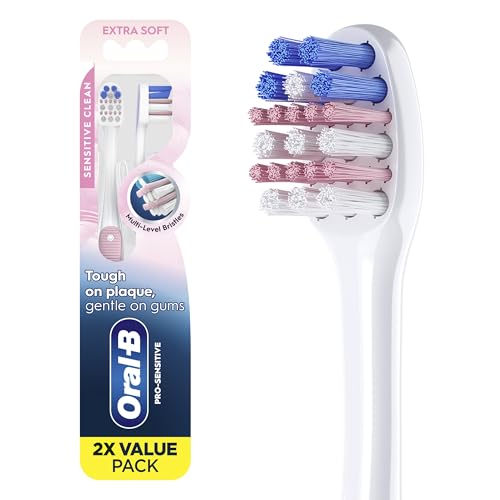
- Improves gum health in two weeks
- Compact head for superior reach
- Multilevel bristles for a deep clean
Limit Acidic and Sugary Foods and Drinks
A balanced diet can also help protect your teeth.
Try to limit frequent consumption of:
- Soda
- Sugary drinks
- Highly acidic beverages
- Candy
- Frequent snacks throughout the day
Constantly exposing your teeth to sugar and acids gives bacteria and acids more opportunities to damage your teeth.
Avoid Constant Snacking
Having more structured meal and snack times can make it easier to maintain good oral hygiene.
Someone who is constantly eating, drinking juice or soda, or consuming sweets and snacks throughout the day may have fewer opportunities to properly clean their teeth.
Frequent exposure to sugars and acids can increase the risk of tooth decay and enamel erosion.
Visit Your Dentist Regularly
Regular dental checkups allow your dentist to identify problems before they become more serious.
Many people benefit from dental visits approximately every six months, although the ideal frequency depends on your individual oral health and your dentist’s recommendations.
Why Prevention Is So Important
Regardless of what is causing your tooth pain, prevention is one of the best ways to protect your oral health.
Daily oral hygiene at home, regular professional dental cleanings, a balanced diet, and routine dental examinations can help reduce the risk of cavities, gum disease, enamel erosion, and other dental problems.
Preventing dental problems can also save you from more complicated—and often more expensive—treatments in the future.

- Flossing action for a fresh clean feeling.
- Burst of freshness
- Wide satin-like ribbon
Final Thoughts: Why Does My Tooth Hurt When I Eat or Drink?
If your tooth hurts when you eat or drink something hot, cold, sweet, or acidic, there may be an underlying dental issue.
Gum recession, periodontal disease, enamel erosion, and tooth decay are among the possible causes of tooth sensitivity and pain.
Because the exact cause cannot always be determined based on symptoms alone, a dental examination is the best way to find out what is happening.
Don’t wait for severe pain before seeing your dentist. Taking care of your teeth today can help prevent bigger problems tomorrow.
This article is for general informational purposes only and is not a substitute for professional dental advice, diagnosis, or treatment.
Please enter product(-s) ASIN(-s)!
- REDUCES GUM DISEASE: Clinically-proven mouthwash formula helps reduces the early signs of gum disease like bleeding gums…
- 24-HOUR GINGIVITIS PROTECTION*: Neutralizes harmful plaque bacteria around the gum line to help prevent and reduce gingi…
- ALCOHOL-FREE FORMULA: Gently protects the gum line without the unnecessary burn of alcohol. Perfect for those avoiding a…

- Pack size: Includes 3 packs of 24 strips of Listerine Cool Mint PocketPaks bad breath strips; these breath strips dissol…
- Germ defense: Minty breath freshener strips kill 99% of germs that cause bad breath, leaving you feeling confident with …
- Travel size toiletries: Easily slip these strips into your purse or pocket for instant fresh breath on the go. The perfe…