
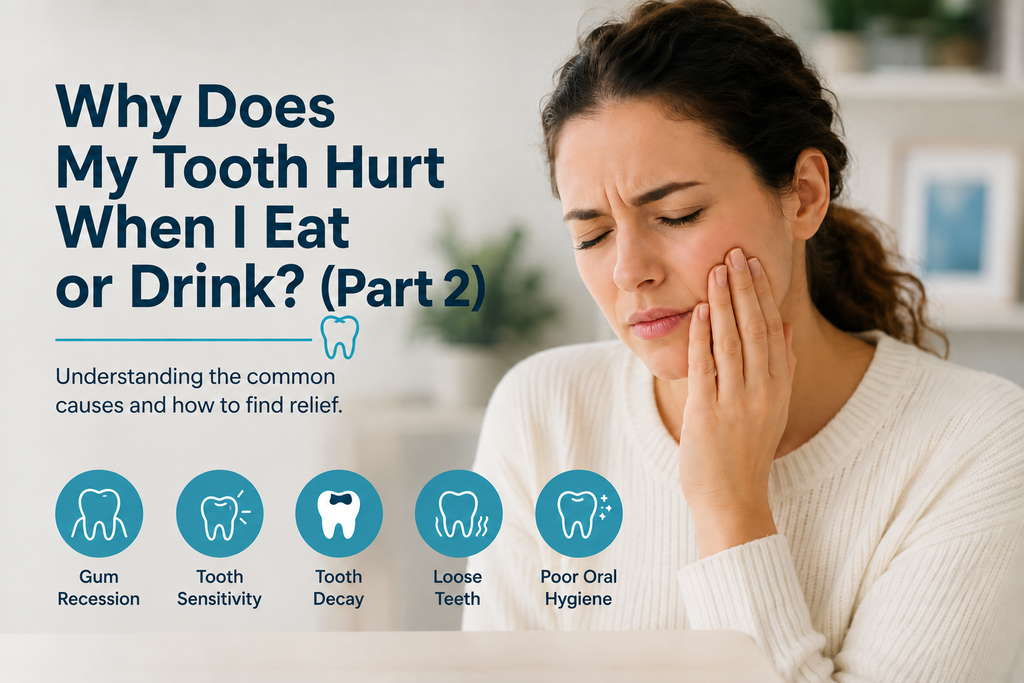
In Part 1, we discussed some common reasons why a tooth may hurt or become sensitive when eating or drinking, including gum recession, periodontal disease, enamel erosion, and tooth decay.
But what if you are experiencing tooth sensitivity and none of those problems seem to explain it?
There are several other reasons why a tooth can become painful or sensitive. Old or defective fillings, cracked teeth, teeth grinding, sinus infections, tooth whitening, hormonal changes, diabetes, and even missing teeth can sometimes contribute to dental discomfort.
In Part 2, let’s look at some of these other possible causes and understand why they may make your teeth hurt.
1. Can an Old or Defective Filling Cause Tooth Sensitivity?
Yes. Old, damaged, leaking, or defective dental fillings can sometimes cause tooth sensitivity or pain.
Why Does a Tooth Hurt After a Filling?
Some sensitivity after a dental filling can be temporary. However, persistent sensitivity may indicate that the tooth needs to be evaluated.
A restoration that is very deep and close to the dental pulp—the innermost part of the tooth containing nerves and blood vessels—may make the tooth more sensitive to temperature changes.
When you drink something very cold or hot, the tooth may respond with a sharp or uncomfortable sensation.
If the filling is too high and interferes with your bite, you may also experience discomfort or pain when chewing.
What Is Leakage Around a Dental Filling?
Over time, a small gap can sometimes develop between a restoration and the tooth.
This can allow bacteria and fluids to enter around the restoration. Recurrent or secondary tooth decay may then develop around or underneath the filling.
As the decay progresses deeper into the tooth and gets closer to the dental pulp, sensitivity to cold, heat, sweets, or pressure may become stronger.
If the pulp becomes significantly inflamed or infected, additional treatment—including root canal treatment in some cases—may be necessary.
2. Can a Cracked or Broken Tooth Cause Pain?
Yes. A cracked, fractured, or broken tooth can cause sensitivity and sometimes significant pain.
Why Does a Cracked Tooth Become Sensitive?
The outer enamel normally protects the more sensitive structures inside the tooth.
When a crack or fracture extends through the enamel and exposes or affects the dentin, temperature changes and pressure may stimulate the inner structures of the tooth more easily.
This may cause sensitivity when drinking something cold or hot.
Some people with cracked teeth also experience a characteristic sharp pain when biting or releasing their bite.
What Causes Cracked or Broken Teeth?
Common causes include:
- Trauma or accidents
- Biting hard foods or objects
- Large or weakened dental restorations
- Teeth grinding or clenching
- Natural weakening of the tooth over time
The severity of a crack is important. A small enamel crack may require little or no treatment, while a deeper fracture involving the pulp or root can require more extensive dental treatment.
3. Can Worn Tooth Enamel Cause Sensitive Teeth?
Yes. Enamel wear or erosion can expose the dentin underneath and make your teeth more sensitive.
What Causes Tooth Enamel to Wear Away?
Several factors may contribute to enamel wear, including:
- Acid reflux
- Frequent exposure to acidic foods and beverages
- Aggressive tooth brushing
- Highly abrasive toothpastes
- Teeth grinding
- Certain bite problems
Once enamel has been lost, the body cannot simply grow it back.
This is why identifying what is causing the enamel damage is important.
Why Does Exposed Dentin Cause Sensitivity?
Underneath the enamel is a layer called dentin.
Dentin contains thousands of microscopic channels called dentinal tubules. These tubules communicate with the inner part of the tooth.
When dentin becomes exposed, cold, heat, sweets, acids, and sometimes even air can trigger these tubules and produce the familiar sharp sensation associated with sensitive teeth.
4. Can a Sinus Infection Make Your Teeth Hurt?
Surprisingly, yes. Sometimes what feels like a toothache may actually be related to your sinuses.
What Is Sinusitis?
Sinusitis is inflammation of the tissue lining the sinuses, which are air-filled spaces located in the bones of your face and skull.
Sinus inflammation can occur because of infections, allergies, and other conditions.
The maxillary sinuses, located behind your cheeks, are particularly important when discussing dental pain because they are anatomically close to the roots of the upper back teeth.
Why Does Sinusitis Cause Tooth Pain?
When the maxillary sinuses become inflamed or filled with fluid, increased pressure can create discomfort that feels as though it is coming from the upper teeth.
This type of discomfort often affects several upper back teeth rather than one specific tooth.
You may also notice other sinus symptoms, such as:
- Facial pressure or tenderness
- Nasal congestion
- Headache
- Pressure around the cheeks
- Nasal discharge
- A feeling of fullness or pressure that changes when bending forward
Because dental pain and sinus-related pain can sometimes feel similar, an examination may be necessary to determine where the pain is actually coming from.
5. Can Teeth Grinding or Clenching Cause Tooth Pain?
Yes. Bruxism, which involves grinding or clenching the teeth, can contribute to tooth pain, sensitivity, jaw discomfort, and tooth wear.
How Does Bruxism Affect Your Teeth?
Repeatedly clenching or grinding places excessive forces on the teeth and their supporting structures.
Over time, these forces can contribute to:
- Tooth sensitivity
- Enamel wear
- Cracked or fractured teeth
- Soreness around the teeth
- Jaw muscle pain
- Headaches
- Temporomandibular joint (TMJ) discomfort
The periodontal ligament surrounding the tooth can also become irritated from excessive biting forces, making the tooth feel tender or painful when chewing.
Is Bruxism Related to Stress?
For some people, stress and anxiety can contribute to awake clenching or make grinding behaviors worse. However, bruxism can have several contributing factors and should not automatically be considered an emotional problem.
Sleep bruxism, in particular, is a complex condition that may involve sleep-related and other physiological factors.
If you regularly wake up with sore jaw muscles, headaches, tooth sensitivity, or notice that your teeth are becoming worn or damaged, talk to your dentist.
6. Why Are My Teeth Sensitive After Teeth Whitening?
Tooth sensitivity is a common temporary side effect of teeth whitening.
This can happen with both professional whitening treatments and at-home whitening products.
How Does Teeth Whitening Cause Sensitivity?
Most whitening products use agents such as hydrogen peroxide or carbamide peroxide.
These substances penetrate the tooth structure to break down molecules responsible for discoloration. During this process, the whitening agents can temporarily increase sensitivity within the tooth.
The movement of substances through the enamel and dentin can stimulate the dental pulp, producing temporary sensitivity, especially to cold temperatures.
How Long Does Sensitivity After Teeth Whitening Last?
For many people, whitening-related sensitivity is temporary and improves within a few days after treatment.
The intensity and duration can vary depending on the whitening product, concentration, treatment time, frequency of use, and the individual’s existing tooth sensitivity.
If sensitivity is severe, persists, or becomes increasingly painful, stop using the whitening product and consult your dentist.
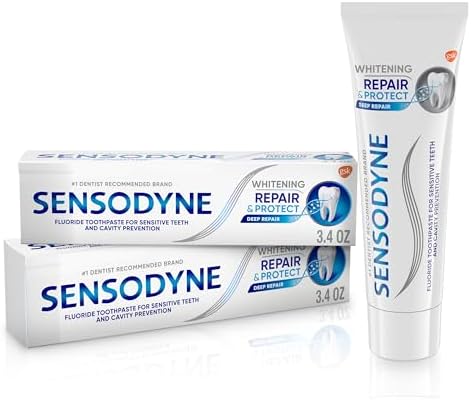
- Two 3.4-ounce tubes of Sensodyne Repair and Protect Teeth Whitening Toothpaste
- Toothpaste for sensitive teeth from the number one dentist recommended brand for sensitive teeth
- Sensodyne fluoride toothpaste builds a repairing layer inside the tiny tubules of the sensitive areas of your teeth (2, …
7. Can Hormonal Changes Affect Your Teeth and Gums?
Hormonal changes can significantly affect the gums and other oral tissues, although they do not usually cause tooth sensitivity in the same direct way as a cavity or exposed dentin.
Pregnancy and Gum Sensitivity
During pregnancy, hormonal changes can increase the gums’ response to dental plaque.
Some people may experience:
- Swollen gums
- Redness
- Tenderness
- Bleeding while brushing or flossing
This is sometimes referred to as pregnancy gingivitis.
Maintaining good oral hygiene and continuing appropriate dental care during pregnancy are particularly important.
Menopause and Oral Health
Hormonal changes associated with menopause can also affect oral health.
Some women experience dry mouth, burning sensations, changes in taste, or changes in gum and oral tissue comfort.
Because dry mouth reduces the protective effects of saliva, it may also indirectly increase the risk of tooth decay and other oral health problems.
8. Can Diabetes Cause Dental and Gum Problems?
Diabetes and oral health are closely connected, particularly when blood glucose is not well controlled.
How Does Diabetes Affect the Gums?
People with diabetes may have a greater risk of developing gum disease, and uncontrolled blood glucose can make periodontal inflammation and infection more difficult to manage.
Diabetes may also affect the body’s ability to heal.
Possible oral health concerns can include:
- Gum inflammation
- Periodontal disease
- Dry mouth
- Increased risk of certain infections
- Slower healing after some dental procedures
Why Is Dental Care Important for People With Diabetes?
The relationship between diabetes and periodontal disease can work in both directions: diabetes can make gum disease more difficult to control, while significant periodontal inflammation may make blood glucose management more challenging.
For this reason, good oral hygiene, professional dental care, and appropriate medical management of diabetes are particularly important.

- Get fast, reliable blood sugar test results with the Guide blood glucose monitor; The Accu-Chek Guide platform is Accu-C…
- The Guide meter features strip port light and backlit LCD display for testing anytime; Eject used test strips from the m…
- Adding comments can help you detect and analyze blood glucose patterns; Automatically log results to your Android or iOS…
9. Can Missing Teeth Cause Sensitivity in Other Teeth?
Losing a tooth does more than leave an empty space in your smile.
What Happens to the Bone After Tooth Loss?
After a tooth is lost, the bone that previously supported its root no longer receives the same stimulation.
Over time, bone resorption can occur in that area.
Neighboring teeth may also gradually shift or tilt toward the empty space, and changes in the gums or supporting bone may contribute to root exposure in some situations.
Why Can Exposed Tooth Roots Become Sensitive?
The roots of your teeth are not covered by enamel like the crowns are.
When a root surface becomes exposed, the underlying dentin may respond more strongly to:
- Cold drinks
- Hot foods
- Sweets
- Acidic foods and beverages
- Cold air
This sensitivity may be temporary, but persistent root sensitivity should be evaluated by a dentist.
Depending on the cause, treatment may include fluoride varnish, desensitizing products, restorative treatment, periodontal treatment, or other approaches recommended by your dental professional.
When Should You Worry About Tooth Sensitivity?
Not every episode of tooth sensitivity means you have a serious dental problem.
A brief sensitivity after whitening, for example, may resolve on its own. However, persistent or severe tooth pain deserves attention.
You should consider scheduling a dental examination if:
- Sensitivity continues or gets worse
- A tooth hurts when you bite
- Pain occurs without eating or drinking
- Hot or cold sensitivity lasts after the stimulus is removed
- You notice a broken or cracked tooth
- An old filling feels different or uncomfortable
- Your gums are swollen or bleeding
- A tooth feels loose
- You develop swelling around your face or gums
Severe pain, facial swelling, fever, or difficulty swallowing or breathing requires prompt professional evaluation.
How Can You Reduce Tooth Sensitivity?
Treatment for sensitive teeth depends on what is actually causing the sensitivity.
A desensitizing toothpaste may help someone with exposed dentin, but it will not repair a cracked tooth, remove decay underneath an old filling, or treat periodontal disease.
Your dentist may recommend treatments such as:
- Desensitizing toothpaste
- Fluoride varnish or other fluoride treatments
- Replacement of defective restorations
- Treatment of tooth decay
- Treatment for gum disease
- Restorative treatment for cracked or worn teeth
- Management of bruxism or excessive clenching
- Root canal treatment when the dental pulp is irreversibly damaged or infected
This is why determining the cause of tooth sensitivity is more important than simply trying to stop the symptom.
Final Thoughts: Why Do My Teeth Hurt?
As we discussed in Parts 1 and 2, tooth pain and sensitivity can have many different causes.
Sometimes the explanation is relatively simple, such as temporary sensitivity after teeth whitening. In other cases, pain may indicate tooth decay, a defective filling, a cracked tooth, gum disease, exposed roots, or inflammation involving the dental pulp.
And sometimes, the pain may not originate from a tooth at all—sinus inflammation, for example, can produce discomfort that feels very similar to a toothache.
The most important thing is not to ignore persistent tooth pain.
Regular dental examinations can help identify problems early, when treatment may be simpler and less expensive.
Good oral hygiene, a healthy diet, appropriate brushing techniques, regular professional cleanings, and routine dental examinations remain some of the best ways to protect your teeth and gums.
Your teeth shouldn’t have to hurt before you start taking care of them. Prevention is always easier than treating an advanced dental problem.
This article is intended for general educational purposes and does not replace professional dental or medical advice, diagnosis, or treatment. If you have persistent or severe tooth pain, consult a qualified dental professional.

- For gentle and effective cleaning on sensitive areas and gums
- Gentle care precisely adapts to the curvature of the tooth and the gingival line for gentle and effective cleaning
- The bristles are carefully arranged on the typical Oral-B round head to better surround each tooth for optimal cleaning